Gingerbread Deer: A Designer’s Stitch Review
As an embroidery designer who has spent countless hours staring at digitized paths and troubleshooting thread breaks, I approach every new machine embroidery design with a mix of curiosity and skepticism. We have all seen the flood of holiday motifs that look charming on a screen but turn into a tangled mess of bird nests on fabric. So, when I pulled up the Gingerbread in Shape of Deer. Christmas file for evaluation, I was looking past the cute aesthetic to see if it held up under the needle. This isn’t just about whether it looks sweet; it is about whether it works for your craft business, your client deadlines, and your reputation as a maker.
First Impressions: Mood and Visual Personality
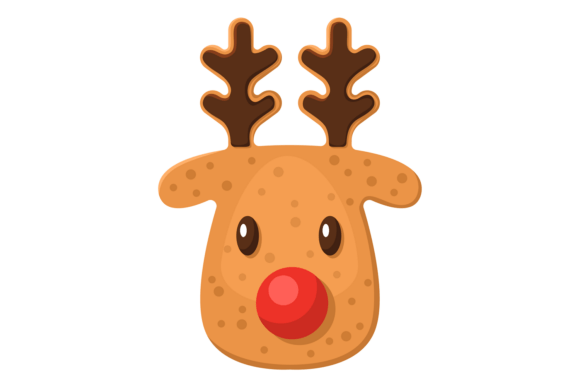
The immediate appeal of this design lies in its whimsical fusion of two beloved holiday symbols: the gingerbread cookie and the reindeer. It falls squarely into the Illustrations category, aiming for a hand-drawn, storybook feel rather than rigid geometric precision. The shape is organic, suggesting the rough edges of a baked good, which gives it a cozy, nostalgic mood. For a designer, this is crucial because it sets expectations. You are not stitching a corporate logo; you are creating warmth. The layout feels balanced, with enough negative space to let the fabric breathe, which is often where amateur designs fail. The visual personality is playful yet refined, making it versatile enough for both children’s items and sophisticated home decor.
Real-World Application: From Screen to Stitch
To truly test a design, you have to imagine it on actual products. I visualized this embroidery file on a few different canvases to gauge its versatility. First, consider a cream-colored canvas tote bag design. The brown tones of the gingerbread concept would pop beautifully against the neutral background, creating a rustic, farmhouse-style holiday accessory. Here, the design acts as a focal point, drawing the eye without overwhelming the bag’s utility.
Next, I pictured it on a heather grey sweatshirt embroidery project. This is a high-demand item for Etsy seller shops during Q4. The soft texture of fleece or French terry requires a design that isn’t too dense, or it will pucker. This deer shape, with its implied cookie texture, seems well-suited for this application. It suggests a personalized gift that feels thoughtful and handmade. If you are running a small shop product line, this kind of motif bridges the gap between generic holiday cheer and unique artisanal quality.
For those interested in baby embroidery, this design could be adorable on a muslin swaddle or a onesie, provided you scale it down appropriately. The gentle curves of the deer antlers, stylized as icing or cookie cracks, avoid sharp points that might irritate sensitive skin or catch on other fabrics. It transforms a simple garment into a cherished keepsake.
Technical Performance and Stitch Behavior
When evaluating any digital embroidery file, we must look at the stitch types. Does it rely heavily on satin stitch for definition, or does it use fill stitch for coverage? In a gingerbread-themed design, we expect a mix. The outline likely uses a tighter stitch to define the "cookie" edge, while the interior details might use lighter fills or running stitch to mimic icing drizzles. This variation is good for stitch density management. Overly dense designs pull fabric and distort the final image. A well-digitized illustration like this should balance coverage with flexibility.
However, context matters. If you are stitching on a textured fabric like waffle knit or heavy wool, the finer details of the icing patterns might get lost. In such cases, I recommend testing the design on scrap fabric first. Check how the thread colors interact with the material. A matte cotton thread might enhance the homemade cookie look, while a shiny rayon thread could make the "icing" look more festive and vibrant. Always review the design in black and white mockups to ensure the contrast holds up even without color cues.
Where to Use Caution
While this design is robust, it is not universal. Be cautious when applying it to stretchy fabric without proper stabilization. The horizontal span of the deer’s body could distort if the hoop tension is not perfect. Similarly, on dark fabric, ensure your thread choice provides enough contrast. A dark brown thread on navy blue might disappear, ruining the visual clarity. For curved surfaces like caps, the center placement of the deer needs to be precise to avoid wrapping around the seam. If the design includes tiny lettering or intricate corner details, verify that your machine can handle the resolution at smaller hoop size settings. Not all machines render fine applique design elements equally well.
Boosting Brand Value and Customer Trust
For commercial embroidery professionals, the quality of your design assets directly impacts buyer engagement. A crisp, clean stitch-out builds trust. When a customer receives a finished product that looks professional, they are more likely to return. This design supports brand consistency if your shop focuses on cozy, traditional, or whimsical themes. It enhances the giftability of your items. People want to give gifts that look effortful and special. A well-executed gingerbread deer on a kitchen towel or pillow cover signals that care went into the creation.
Moreover, using high-quality design assets allows for better printable mockup creation for your online listings. Clear, attractive previews drive clicks. Whether you are selling the physical item or the digital file, the presentation must be impeccable. This design offers that potential, provided you pair it with the right materials.
Practical Notes for the Embroiderer
Before you commit to a full production run, follow these steps. First, always use the appropriate stabilizer. For lighter fabrics, a cut-away might be necessary to prevent distortion, while tear-away may suffice for stable cottons. Second, confirm the licensing terms. Just because you bought the file does not automatically mean you can sell unlimited finished goods. Check if it is cleared for commercial use. Third, test different thread brands. Some threads have more sheen, which might change the character of the "gingerbread" from matte to glossy. Finally, inspect the small details after the test stitch. Are there any jumps or loose threads? Trim them carefully to maintain a polished look.
In conclusion, the Gingerbread in Shape of Deer. Christmas is a strong contender for your holiday lineup. It balances charm with technical feasibility, offering a versatile option for everything from custom apparel to home decor. By respecting the material constraints and paying attention to stitch quality, you can turn this digital asset into a standout handmade product that delights customers and elevates your brand.